Air tours

Sea tours

Safari tours

Bus tours

Nile Cruise

Contacts

Sharm el Sheikh tours, Excursions in Sharm el Sheikh

Snorkeling excursion to Ras Mohamed by Car half day


We run this tour Every Sunday, Wednesday & Friday

Pick up from your hotel

Pick up from your hotel in the morning and drive to one of the most beautiful sites all over the world The first and the only national park in Egypt where there are more than 130 sorts of coral reefs and more than 1000 sorts of fishes.

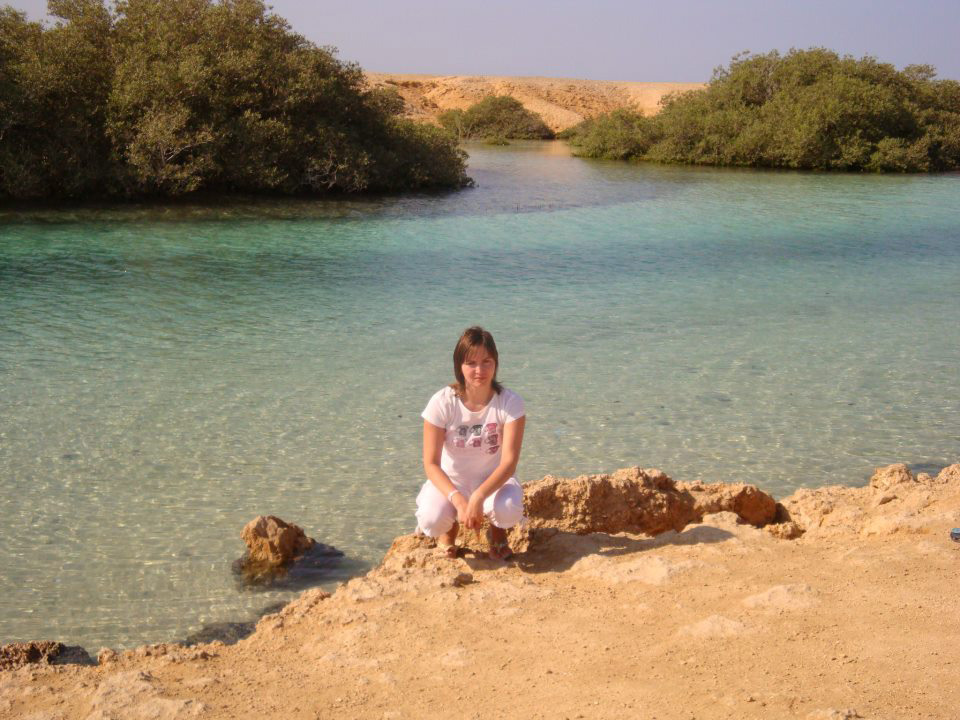
Mangrove channel visit
We will start our visit with the mangrove threes which grow directly from the salty water of The Red Sea! It is the only sea in the north part of the earth where these kinds of trees grow. Then we'll go to see the earth crack and "Magic Lake". Ras Mohamed is considered one of the best sites all over the world for diving and snorkeling.

Snorkeling
We'll stop on the most famous beaches such as “The main beach", "Yolanda beach", "Old quay beach" and "Khashaba beach" for refreshing and snorkeling.

Back to your hotel
As it is a half day trip by 2 o'clock you will be driven back to your hotel.

The program includes:
Pick up, transfer & drop off by air-conditioned van,
soft drinks in the car,
entrance fees to the National park,
tour-leader

The Program excludes:
Snorkeling equipment, life jackets.

What to take with you:
Passport with full visa of Egypt is requiered.


Price: 25 GBP
Child Price: 12.5 GBP

Tour & Excursions from Sharm El Sheikh Egypt
 

Read more about The National Park of Ras Mohamed

The National Park at Ras Mohammed is the first and only Egyptian National Park. Declared in 1983 with an area of 97km2, it has since grown to an area of 480km2 and includes marine and terrestrial areas at the Ras Mohammed Peninsula and the island of Tiran, and all shorelines to the highest annual tide between the maine Shaim el Sheikh harbor and the southern boundary of the Nabq Managed Resource Protected Area .

The Park is notable for its sharply defined raised fossil coral platforms which represent ancient shorelines. These reefs range in age from 15,000 to 2;000,000 years BP (before present). The mare recent fossil reefs show similar species composition and structure to present day coral reefs .

Recognizable species include: Goniastrea sp., Galaxea sp., Porites sp., and others. Fossil reefs, like modern reefs, were also habitats for a profusion of life seen as fossil remains in the Park .

Studies of fossil coral reefs provide scientists with valuable insights regarding past climatic conditions, changing sea levels and the effect of these on coral reef ecosystems .

Coral reefs in the National Park present the visitor with a breathtaking experience. The profusion of life can at times overpower the senses of the first time visitor, but on the reef there is order. Close and careful observation will enable even the uninitiated to identify the more obvious relationships .

All organisms on the reef have particular adaptations related to their feeding behavior. Damselfish tend their patches of seaweed, defending these with vigor. Parrotfish grind at the base of corals to feed on algae. They then excrete clouds of undigested carbonate which settles and helps to cement the reef. Cleaner wrasse are seen at work on larger fish such as groupers, rays, barracuda removing parasites from their mouths, gills & outer body. Sharks, barracuda, jacks, etc. come to the reef to feed on schools of reef fish .

The reef is a complex, often "bewildering, ecosystem that once understood will provide endless hours of enjoyment. Careless use will destroy both the structure and ecological equilibrium of the reef. Careful use will ensure the survival of this ecosystem .

Terrestrial are to the exuberance of color and life seen on Seemingly devoid of visible life, they are in fact home to the desert fox, Nubian Ibex (in the mountain areas), numerous small mammal species, reptiles and insects. Most of this fauna is difficult to see given their nocturnal habits. Fox are often seen in the vicinity of Main and Yolanda Beaches. They harmless if approached with care, they should not be fed can be provided with water. Fox cubs can be seen at sun during late spring. All other wildlife should not be approach

The Park is also home to important resident populations including Grey Heron, Goliath Heron, Reef H and their small relative, the Greenback Heron .


Cairo | Luxor | Guestbook | Home | Nile Cruise | Climate | Activities
Copyright 2009 © Sharm Club. All rights reserved.